
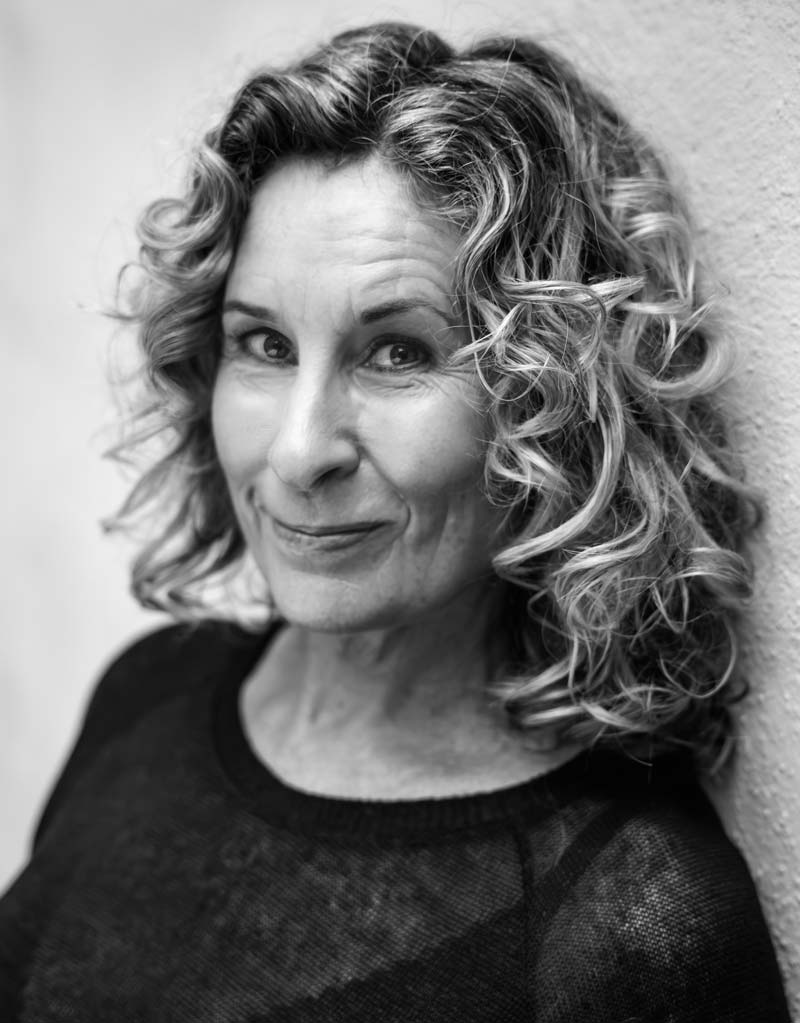
DOKTOR KATARINA GRAFFMAN
Jag är doktor i antropologi och har under närmare tre decennier hjälpt företag och organisationer att förstå varför människor agerar som de gör - vilket ofta inte alls är som man tror. Antropologisk erfarenhet visar att människor sällan säger vad de tänker, inte alltid är medvetna om vad de känner och nästan aldrig agerar helt i linje med vad de säger.
Vill du få en djupare förståelse för människor och omsätta den insikten till verklig förändring? Vill du synliggöra motsägelser, blinda fläckar och luckor i det vedertagna tänkandet?
Jag kan hjälpa dig att:
- Förstå hur samhälleliga förändringar, teknologisk utveckling och kulturella mönster påverkar mänskliga val,
- Analysera vad som driver grupper, relationer och kollektiva beteenden,
- Fatta bättre beslut baserade på djupgående, empiriskt förankrad mänsklig insikt.
VAD JAG GÖR
Strategisk rådgivning - Förvandla insikter till försprång. Med djup förståelse för vardagsliv, konsumtion, kultur och varumärken hjälper jag dig att fatta smartare beslut. Alltid utifrån dina mål.
Föreläsningar - Inspirerande, underhållande och fulla av aha-upplevelser. Jag ger nya perspektiv på trender, beteenden och kultur. Perfekt för att väcka energi och idéer på din konferens eller i ditt team.
Etnografiska studier - Kom närmare verkligheten. Genom observation i fält hittar jag dolda behov, beteenden och möjligheter, de så kallade vita ytorna som leder till innovation och konkurrensfördelar.
People Visits - En upplevelse utöver det vanliga. Vi möter tillsammans dina kunder i deras vardag, lyssnar, reflekterar och hittar insikter som inga enkäter kan fånga. Direkt från köksbordet till din strategi.

Gen Z på arbetsplatsen i Aftonbladet
Hur kommer den så kallade Generation Z att vara på arbetsplatsen? Den frågan fick jag av Aftonbladet. På vissa sätt är de så klart annorlunda men på andra sätt inte alls. Som jag säger i artikeln: – Det är egentligen inte konstigare än vad andra vill ha: Bra lön, en bra chef och möjlighet till…

My legacy: Generation Bianca
Kommer mitt eftermäle vara begreppet ”Generation Bianca” som jag myntade för många år sedan för att försöka nyansera debatten om de unga? Kanske. Värre eftermälen finns. Jag tänker att det är ett helt ok sätt att bli ihågkommen på, speciellt om begreppet kan hjälpa till att skapa en meningsfull diskussion kring hur det egentligen fungerar…

Krönikör Chefstidningen
Under 2025 kommer jag skriva krönikor i Chefstidningen! Min första krönika handlar om vikten av att fundera på ”företagsvi:et” när individer vill distansarbeta. Hur skapar man en företagskultur om medarbetarna inte är på plats? Det är lätt hänt i individualismens era att bara lyssna på varje enskild individs önskemål och bortse från vad som är…

SVT Kultur om hyperindividualistisk konsumtion
Hyperindividualistisk konsumtion! Vad är det? Jo konsumtion som baseras på personligt riktad marknadsföring, baserad på information som företag samlat på sig om oss som personer, oftast genom våra aktiviteter på nätet och sociala medier. Jag fick prata lite om fenomenet i SVT Nyheter: ”– Det kan vara så enkelt som att du får mejl från…

Superkommunikatör 2024
Blev väldigt glad över att hamna på Resumés lista över Sveriges Superkommunikatörer 2024 som nummer 7 i kategorin Opinion & Samhälle! Motivering: För sitt idoga arbete med att upplysa oss om hur människor faktiskt agerar, vilket inte alltid är samma sak som hur de säger att de agerar. Tidningen Resumé skriver: Varför är detta pris…

Om Generation Z i Dagens Nyheter
Utklipp från artikeln: Trygghet, flexibilitet i arbetslivet – och krav på ett starkt ledarskap. När generation Z tar klivet ut på arbetsmarknaden innebär det både möjligheter – och utmaningar – för arbetsgivarna. Omkring två miljoner av Sveriges invånare ingår i generation Z, enligt siffror från SCB. De har vuxit upp med en orolig omvärld och…

På listan som en som påverkat marknadsföringsbranschen mest
Känner mig mycket glad över att bli nämnd på Resumés lista över människor som påverkat marknadsförings- och kommunikationsbranschen mest under perioden 2015-2024: ”De har rört om, drivit frågan om värdet för marknadsföring och fått andra att förhålla sig till dem och deras verksamheter. Listan görs mot bakgrund av att de senaste tio åren har varit…

Black Week
Det är bråda dagar för oss så kallade ”konsumtionsforskare” när det är Black Week. Om det är någon gång på året som media verkligen intresserar sig för fenomenet konsumtion så är det under denna period. Jag var inbjuden till Studio Ett för att prata om just denna köpfest, eller ska jag säga köporgie. Frågor som…

Podcast Cash & Soul
A corporate antrophologist decodes modern life – In this fascinating dialogue, Katarina Graffman brings her unique perspective as a corporate anthropologist to illuminate the hidden patterns shaping our society. With over 25 years of field experience studying human behavior, she challenges conventional wisdom about sustainability, consumer culture, and social change. Katarina Graffman offers profound insights…