
DOKTOR KATARINA GRAFFMAN
Jag är doktor i antropologi och har under närmare tre decennier hjälpt företag och organisationer att förstå varför människor agerar som de gör - vilket ofta inte alls är som man tror. Antropologisk erfarenhet visar att människor sällan säger vad de tänker, inte alltid är medvetna om vad de känner och nästan aldrig agerar helt i linje med vad de säger.
Vill du få en djupare förståelse för människor och omsätta den insikten till verklig förändring? Vill du synliggöra motsägelser, blinda fläckar och luckor i det vedertagna tänkandet?
Jag kan hjälpa dig att:
- Förstå hur samhälleliga förändringar, teknologisk utveckling och kulturella mönster påverkar mänskliga val,
- Analysera vad som driver grupper, relationer och kollektiva beteenden,
- Fatta bättre beslut baserade på djupgående, empiriskt förankrad mänsklig insikt.
VAD JAG GÖR
Strategisk rådgivning - Förvandla insikter till försprång. Med djup förståelse för vardagsliv, konsumtion, kultur och varumärken hjälper jag dig att fatta smartare beslut. Alltid utifrån dina mål.
Föreläsningar - Inspirerande, underhållande och fulla av aha-upplevelser. Jag ger nya perspektiv på trender, beteenden och kultur. Perfekt för att väcka energi och idéer på din konferens eller i ditt team.
Etnografiska studier - Kom närmare verkligheten. Genom observation i fält hittar jag dolda behov, beteenden och möjligheter, de så kallade vita ytorna som leder till innovation och konkurrensfördelar.
People Visits - En upplevelse utöver det vanliga. Vi möter tillsammans dina kunder i deras vardag, lyssnar, reflekterar och hittar insikter som inga enkäter kan fånga. Direkt från köksbordet till din strategi.
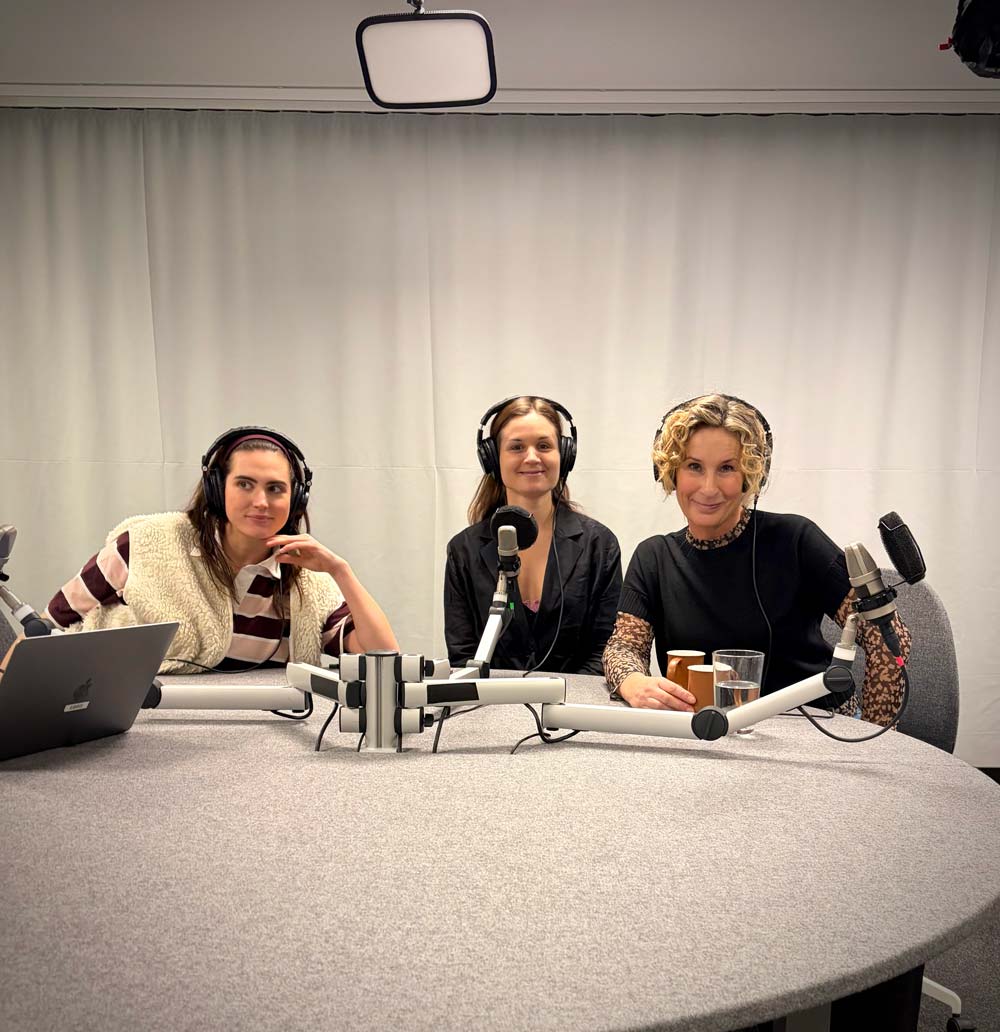
Fabriken Sveriges Radio
Hur påverkas människan och människans beteenden av AI-agenter? Tja, det kan man ju undra. Vi är bara i början av en utveckling som går i en rasande fart. Jag deltog i programmet Fabriken och diskuterade AI-agenter som hjälper till med shopping. Hur fungerar en AI-agent och kommer ett smidigare sätt att konsumera öka våra utgifter…
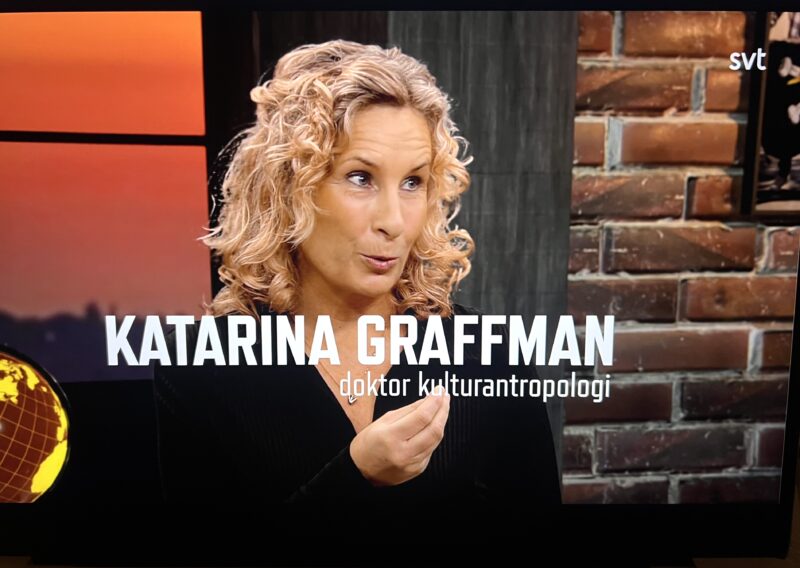
Utrikesbyrån SVT
Blev inbjuden till Utrikesbyrån för att prata om de protester som vi idag ser på olika håll i världen och som benämns som ”Gen Z Movement”. Det är unga som protester mot ojämlikhet, korruption och ledares nepotism och för bättre fördelning av välfärd och fungerande utbildnings- och hälsosystem. Men är det korrekt att kalla det…

Siffran vår tids evangelium
Skriver en krönika i Chefstidningen om siffror och den mäthysteri som råder: Vi mäter och mäter. Allt som går att mäta mäts. Någon kallade det en sifferdemi. Jag kallar det undersökarsamhället. Ett samhälle som blivit ett ängslighetssamhälle. För utan siffror känner vi oss nakna. Kan man ens fatta beslut utan en undersökning? Kan man tycka…
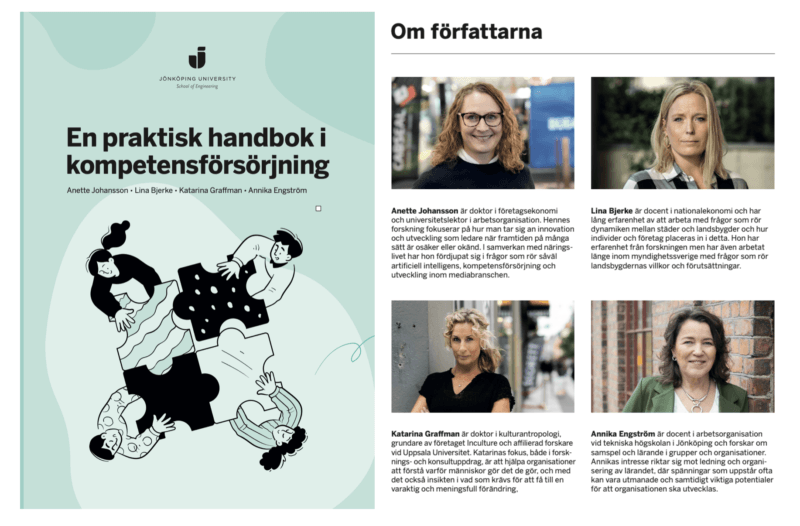
En praktisk handbok i kompetensförsörjning
Kompetensförsörjning är en avgörande strategisk fråga för de flesta företag och organisationer. Syftet med forskningsprojektet KOMPET, som avslutades hösten 2024, var att identifiera och utveckla konkreta aktiviteter och åtgärder som driver utveckling mot säkrad kompetensförsörjning i metallindustrin. Lärdomarna från projektet har sammanställts i ”En praktisk handbok för kompetensförsörjning” som kan användas av alla typer av…
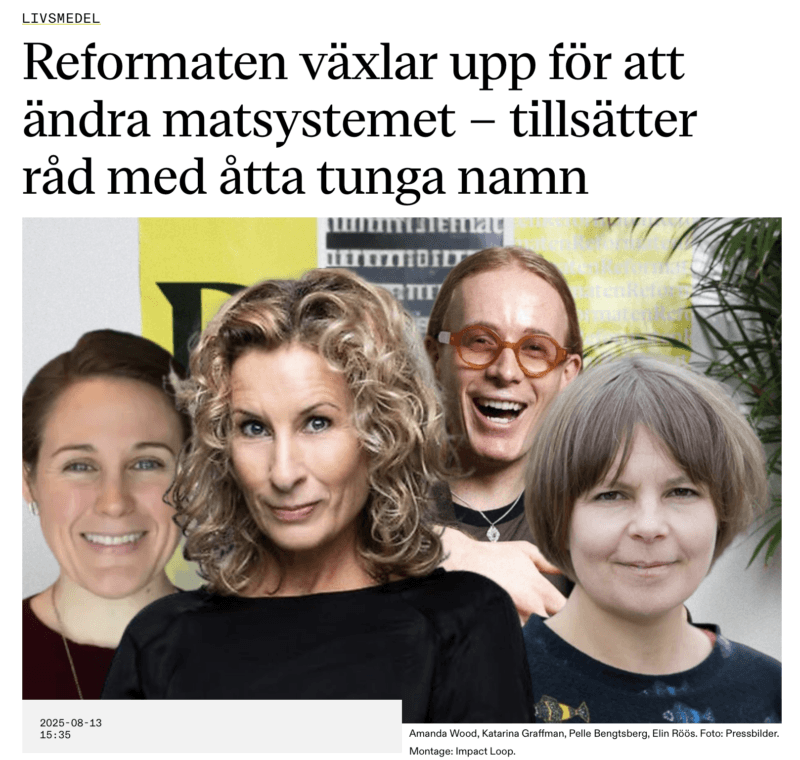
Medlem i Reformatens Forskningsråd
Roligt att den antropologiska kunskapen efterfrågas i allt fler sammanhang! Jag är en av åtta forskare som ska ingå i Reformatens nya forskningsråd! Reformaten grundades för fem år sedan av Olga Grönvall Lund med målet att påskynda en forskningsbaserad omställning av matsystemet till ett som är hållbart för både planet och människor. Föreningen är partipolitiskt-…

Om kultur i tidningen Chef
Hur gör man kulturen på arbetsplatsen meningsfull för dem som arbetar där? Jag blev intervjuad för tidningen Chef om just detta ämne. Kultur blir lätt en slasktratt för allt som är dåligt och som inte kan förklaras. Ibland rycks det uppgivet på axlarna och suckas att ”det sitter i väggarna”. Men det är ju långt…

Familjemiddagar trendar i Hufvudstadsbladet
Vikten av familjemiddagen kan inte nog understrykas men Hufvudstadsbladet skriver att många familjer inte lyckas få till gemensamma middagar på grund av jobb och fritidsaktiviteter. Istället har skärmen blivit gäst vid middagarna. Jag tror på familjemiddagens revival. Ju tröttare vi blir på dessa skärmar desto större betydelse kommer sociala sammanhang att bli, inte minst familjemiddagen!

Om mäthysteri i podden The Execution Revolution
Jag hade förmånen att få gästa Johan Grönstedt och hans intressanta podd The Execution Revolution – och nu kan du lyssna på vårt samtal! Vi pratar om: → Mätningens baksida – när data skapar ängslighet istället för klarhet → Ledarskap bortom individfokus – varför gruppen är nyckeln till välmående → Vad AI avslöjar om vår…

Intervju om mäthysteri i Chefstidningen
Företag samlar enorma mängder data och nyckeltal för att utifrån siffrorna fatta välgrundade beslut. Men skapar siffrorna mer förvirring än klarhet? Chefer tvekar inför beslut där de inte kan hitta stöd i siffror. Och det gör dem sämre som chefer. Om detta blir jag intervjuad i Chefstidningen. Dessutom: ✅ man ställer fel frågor. ✅ man förstår…